Culture, Society, & Community
Islands are places of extraordinary cultural depth, shaped by migration, creolisation, resistance, and continuity, and their communities have always had to adapt. This theme explores how island societies preserve, perform, and transmit their identities while building resilience in a rapidly changing world.
About this theme
Island cultures are among the world's most distinct and resilient, born from centuries of contact, displacement, adaptation, and creative synthesis. Languages, music, cuisine, spiritual practices, and built heritage form the living fabric of island identity, and that same fabric is often what carries communities through crisis.
Yet island communities face unprecedented pressures: globalisation, youth emigration, digital disruption, the commodification of culture through mass tourism, and increasingly, displacement linked to climate change. How do communities safeguard what matters most, adapt their social structures, and remain resilient while staying open to the world?
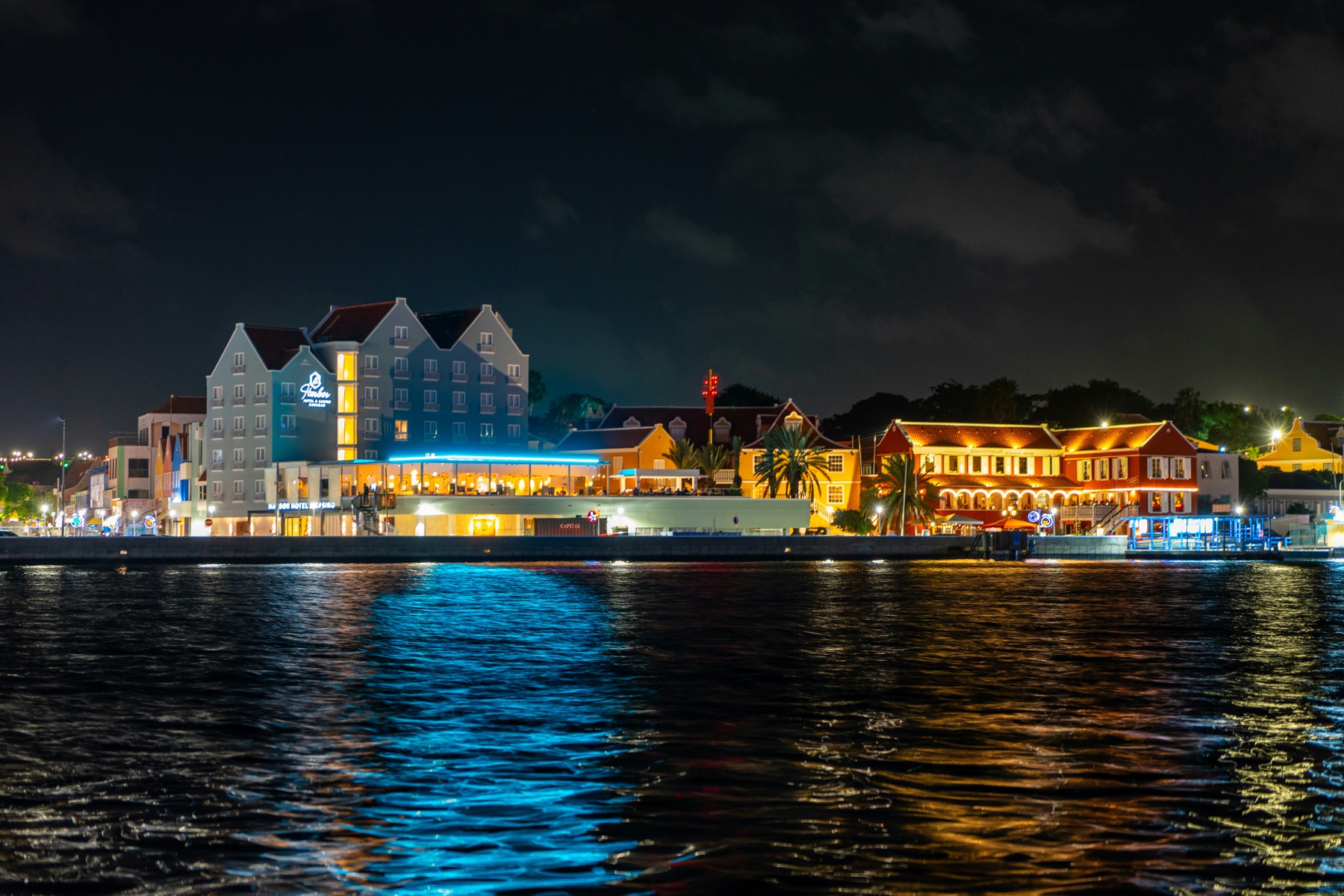
Curaçao is a living example of this tension and richness: a UNESCO World Heritage city where Papiamentu, Dutch, Spanish, and English coexist; where West African, European, South American, and Caribbean traditions have merged into something entirely unique, and continue to adapt today.
Topics of interest
- →Creole languages, multilingualism, and language revitalisation
- →Intangible cultural heritage and UNESCO frameworks on islands
- →Postcolonial identity formation and cultural decolonisation
- →Digital preservation of island heritage (archives, oral histories)
- →Diaspora communities and transnational island identities
- →Heritage tourism: celebration, commodification, and community control
- →Music, carnival, and performing arts as cultural resilience
- →Religious diversity, syncretism, and spiritual life on islands
- →Community-led adaptation and indigenous knowledge systems
- →Climate migration, displacement, and community continuity
- →Comparative perspectives on resilience across SIDS regions (Caribbean, Pacific, Indian Ocean)
- →Islandness, sense of place, and what it means to live on an island
Submission formats welcome
Papers, panels, creative presentations, and practitioner contributions are all welcome. We especially encourage submissions that centre island community voices and non-Western knowledge frameworks.