Politics & Governance
Islands have long been laboratories for questions of sovereignty, autonomy, and democratic self-governance, and today those same governance models are being tested by the demands of sustainable development. This theme explores constitutional arrangements, tourism-dependent economies, and the democratic innovations emerging from island communities worldwide.
About this theme
From the Caribbean Kingdom of the Netherlands to Pacific Compact States, island polities occupy a unique and often contested space in international law and governance. Questions of autonomy, statehood, and self-determination are alive not only in constitutional texts but in everyday political life, and increasingly, in how islands govern their own development.
This track examines how island governments organise themselves, negotiate with metropolitan powers, and innovate in democratic practice. It also asks hard questions about sustainable development in practice: who benefits from tourism-dependent growth, what is its true environmental cost, and how can island communities govern that balance for the long term?
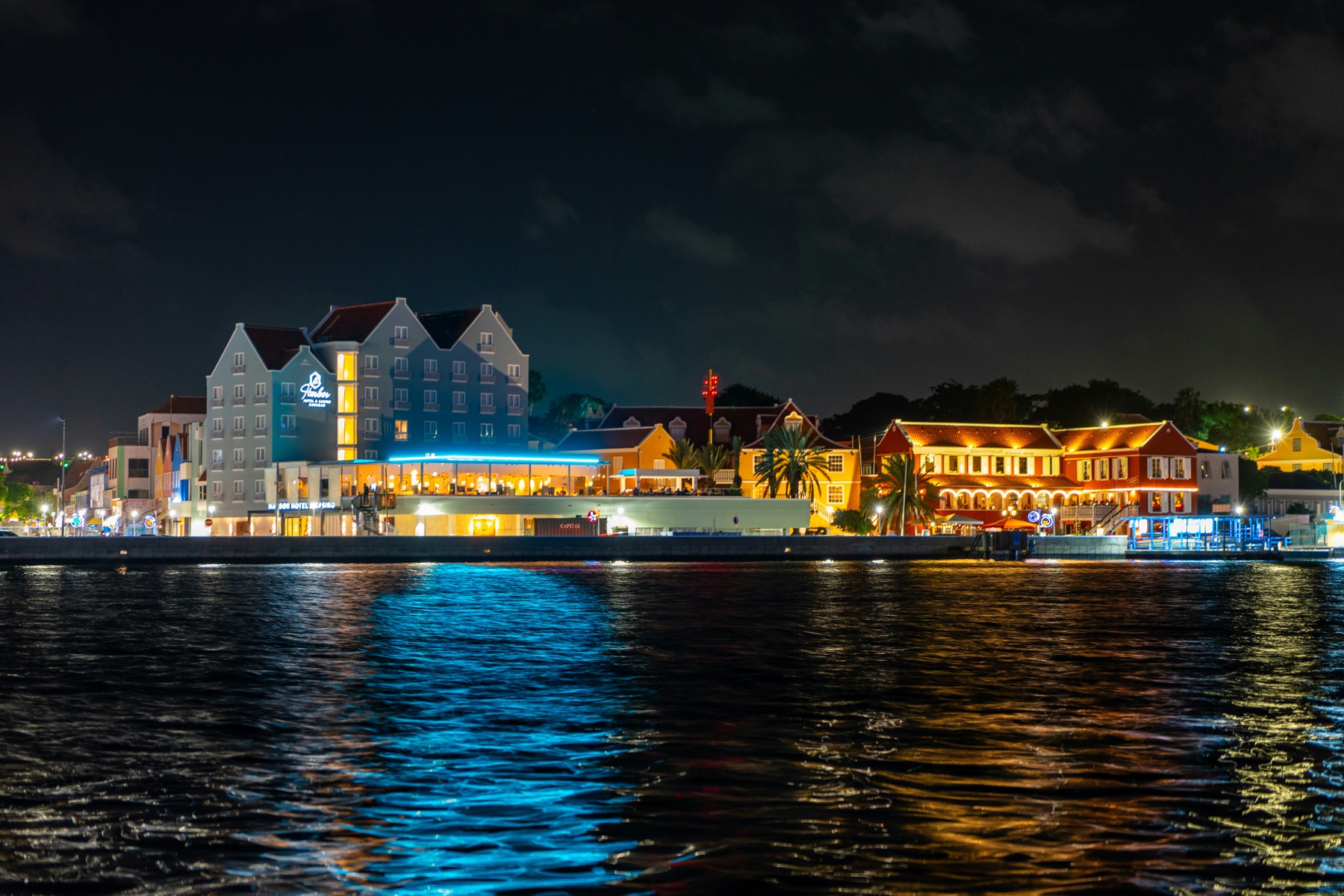
Curaçao's own status as a constituent country of the Kingdom of the Netherlands, with full internal autonomy but shared citizenship and defence, combined with an economy navigating cruise tourism and diversification, makes it a compelling case for discussing what modern, sustainable island governance looks like in practice.
Topics of interest
- →Constitutional arrangements and autonomy models in island jurisdictions
- →Decolonisation processes, referendums, and political transitions
- →Small states in international organisations and multilateral diplomacy
- →Local democracy, participatory governance, and civic engagement
- →Intergovernmental relations between islands and metropolitan powers
- →Digital governance and e-government innovations on islands
- →Tourism-dependent economies: resilience, diversification, and shocks
- →Overtourism, carrying capacity, and visitor management on islands
- →Community-based and regenerative tourism models
- →Cruise tourism: economic leakage, environmental impact, and governance
- →Tourism and housing affordability in island communities
- →Renewable energy transitions and climate finance in small island developing states (SIDS)
- →Island contributions to UNFCCC processes and global climate policy
- →Post-COVID recovery strategies and future-proofing island economies
Submission formats welcome
Individual papers, comparative studies, organised panels, and practitioner roundtables are all welcome. We especially encourage contributions from scholars and practitioners with first-hand experience of island governance and sustainable development.